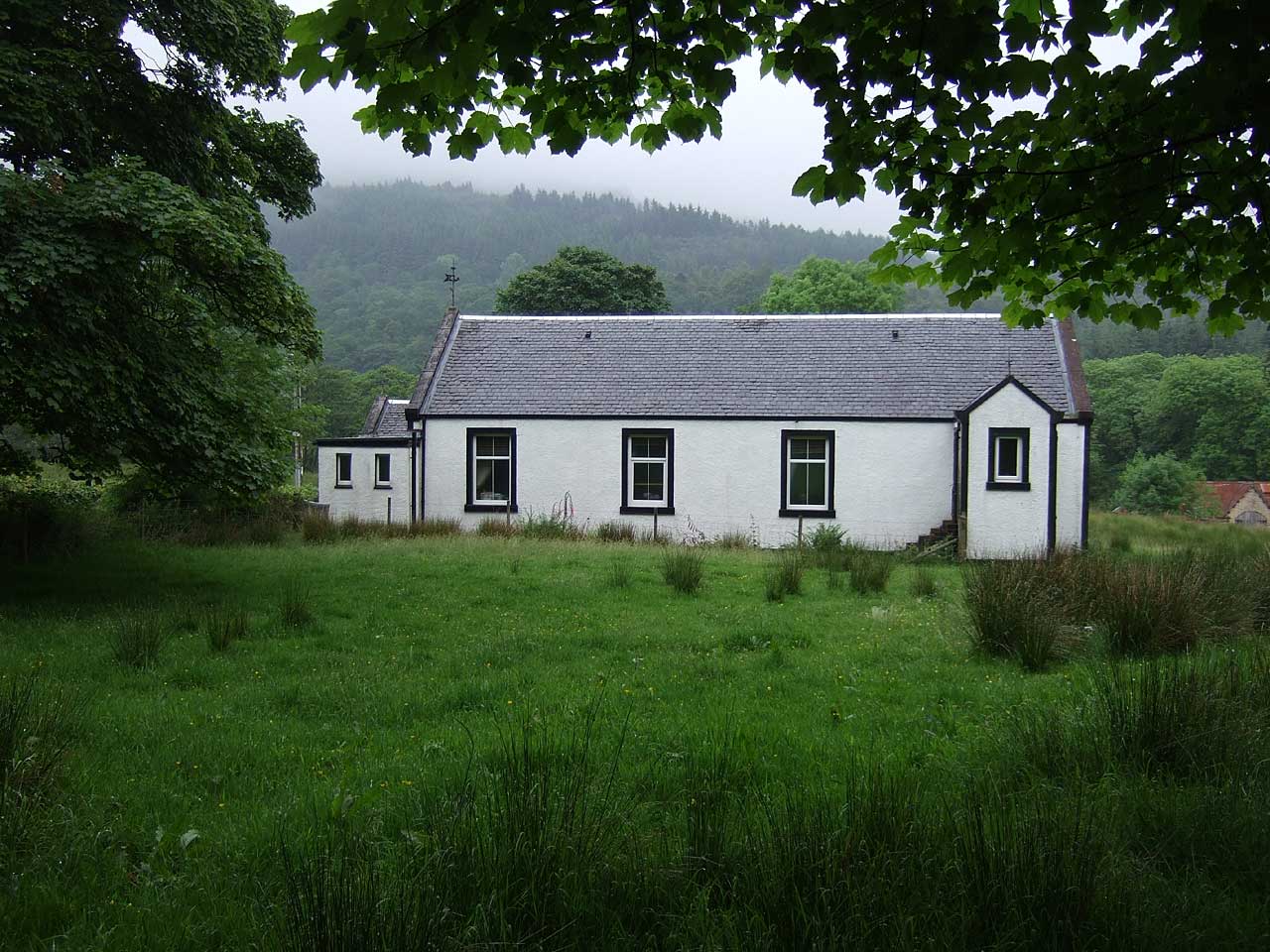
The future of a village hall. The future of a community.

On Friday 15th October a Public Meeting was held to discuss the future of the village hall in light of all, bar one, of the current committee having resigned.  The Chair explained to the 28 attendees the necessity to find volunteers to take over the running of the hall in this unusual situation.
An initial reaction from one member was that noone could come forward without the books being completed and audited, as they should be. This assertion was corrected in that the books were completely up to date and in good order and that they were still within the OSCR (Office of the Scottish Charity Regulator) time limit to have them audited. Any new committee will inherit a healthy bank balance with the Flower Show grossing an increase on last year, due largely to the highly successful auction, and additional income provided by a series of Open Mornings

After some protracted discussion about the accounts and what was required to keep the hall going, a spokesperson for a presumably pre-determined group declared that they had had a discussion and that they were willing to take things forward. It was then proposed and seconded that those volunteering to do so, be co-opted by the one remaining committee member and that they contact OSCR to ask advice about how they might proceed as co-opted members until the next AGM.

At one point a new member of the community had asked how things had got to this stage. An understandable and very relevant question. The following is a resume of events:

On 11 May 2010 the then retiring Village Hall Committee held an EGM to discuss the future of the hall in the event of there having been no volunteers to run the committee at their AGM. 7 members of the community stepped up to the plate and assumed the reins of running the hall. To say that this new committee was largely inexperienced in running the hall would be an understatement but they approached the task with enthusiasm. There were plans to introduce permanent hall signage in collaboration with the Forestry Commission and to produce high visibility temporary posters and signage to promote hall events. A questionnaire was drafted for members to elicit their views on the possibility of having internet access in the hall which, if in favour, would go to support an application to LEADER’s Rural Broadband Fund.

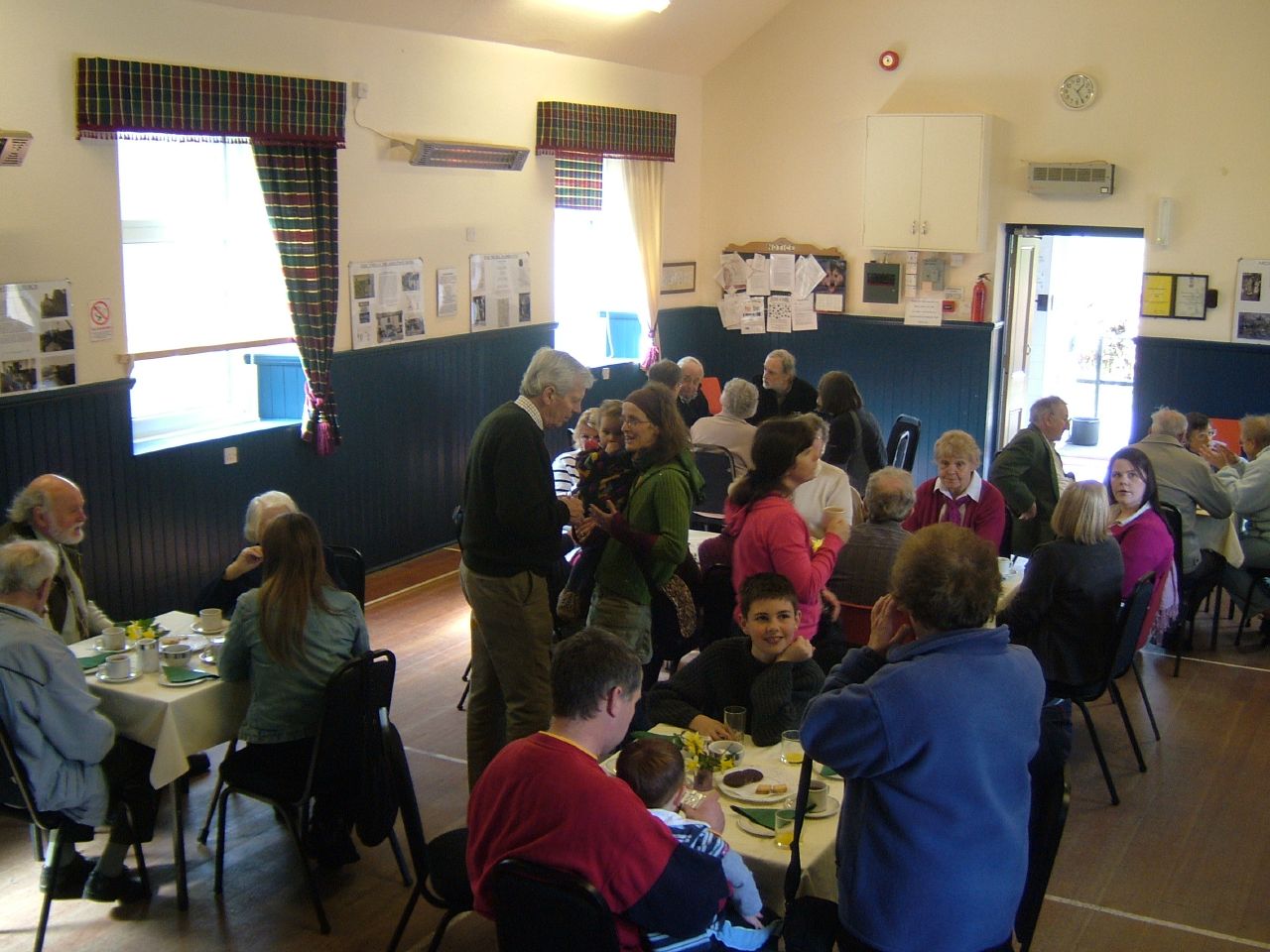
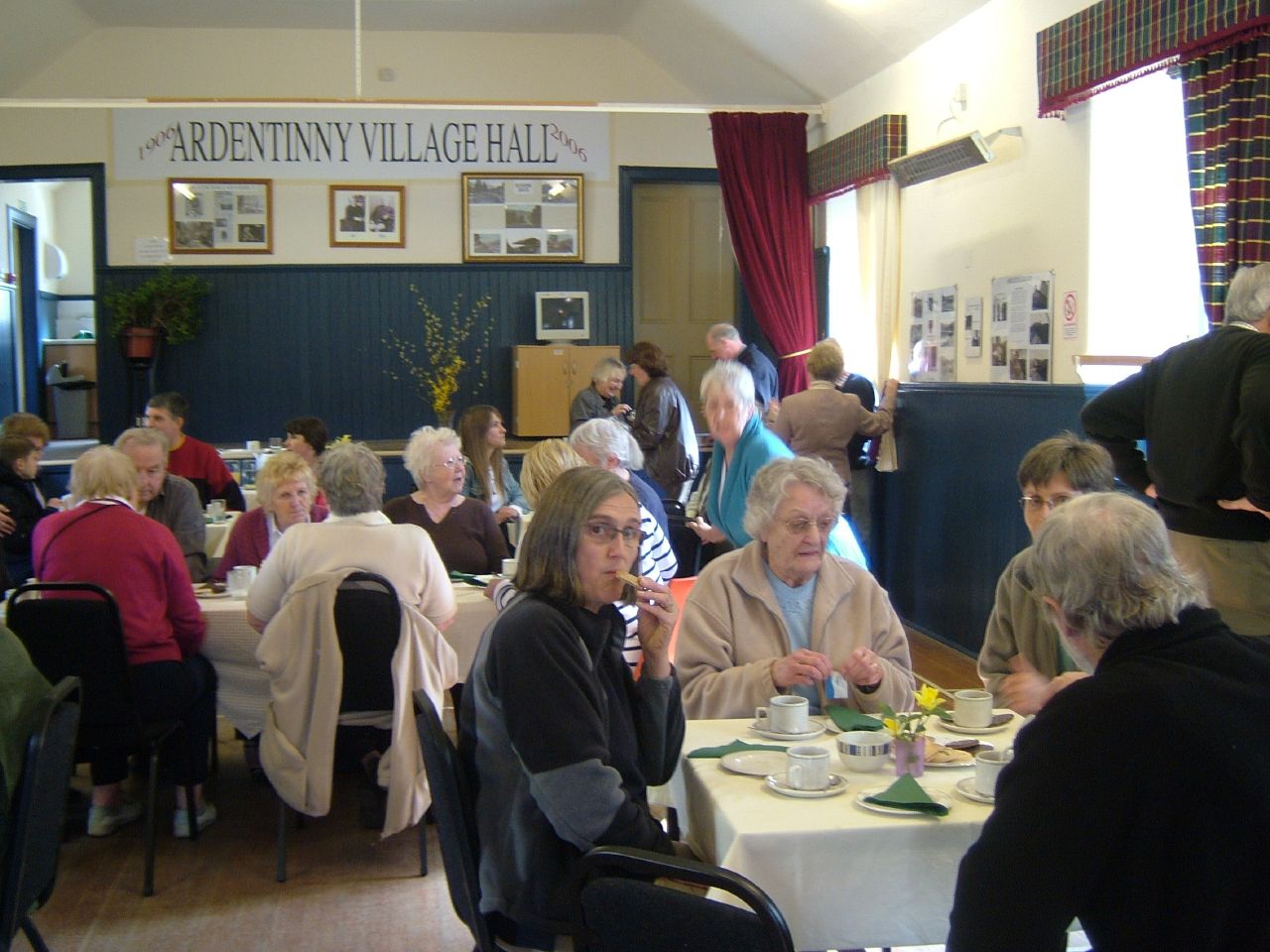
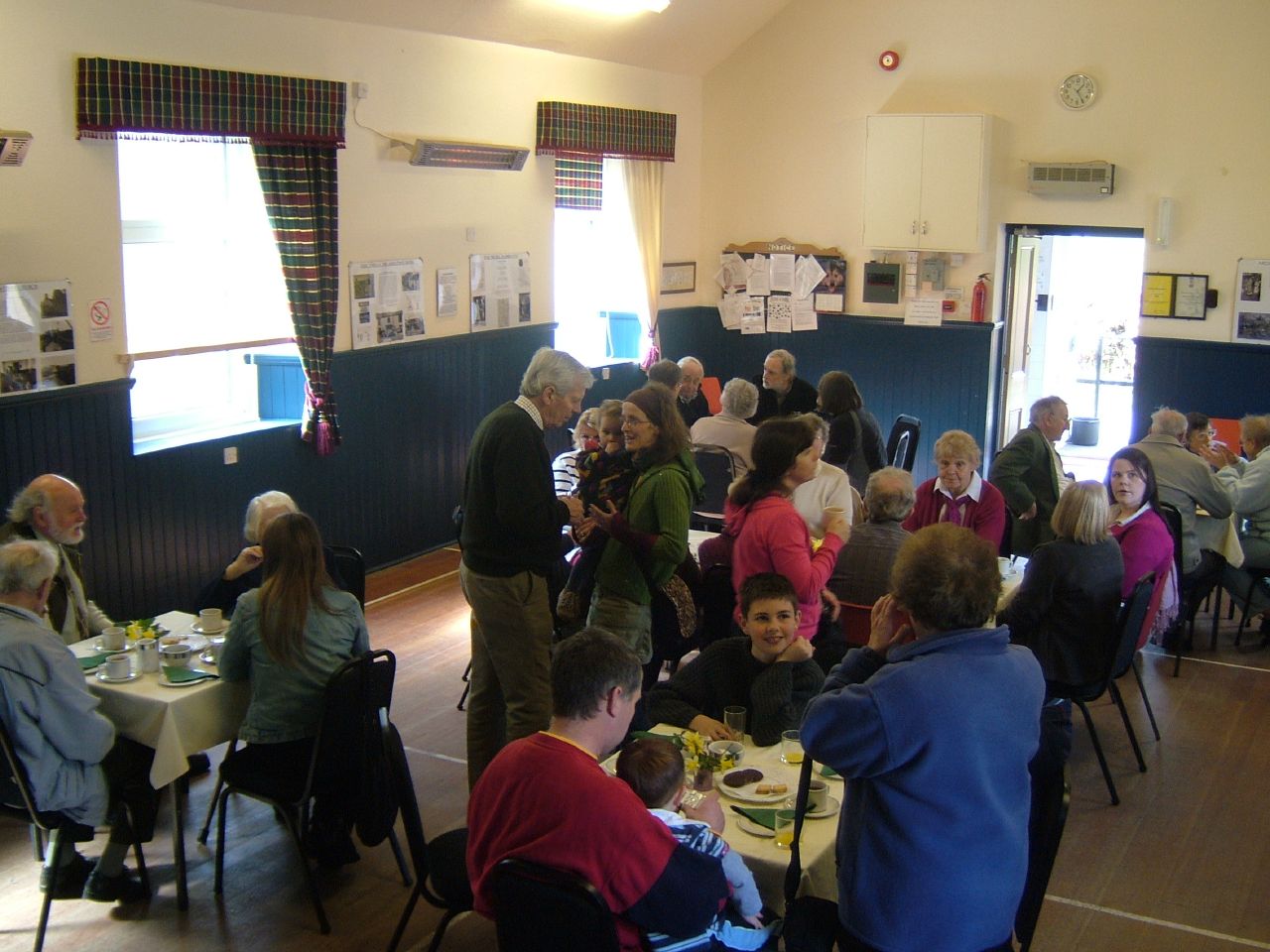
In view of the fact that the hall is kept alive by membership subscriptions but that the hall is used regularly by only a relatively small number of the membership in the various weekly clubs, it was decided to  ‘give back’ a little to the general membership by offering a weekly Open Morning with teas and coffees, free to members. This also provided a regular social hub for all residents and visitors where they could gather and chat and buy from charity and other stalls. The hall benefited too with regular additional income from stall table fees, sale of second-hand books and non-members’ teas and coffees.

Inevitably there were teething problems . For example, plans to run Flea Markets had to be scrapped when further research proved them to be non-viable and there was one unfortunate breakdown in communication between members who did and did not have email access. However, overall, things were going to plan, including the planning of the annual Flower and Craft Show.

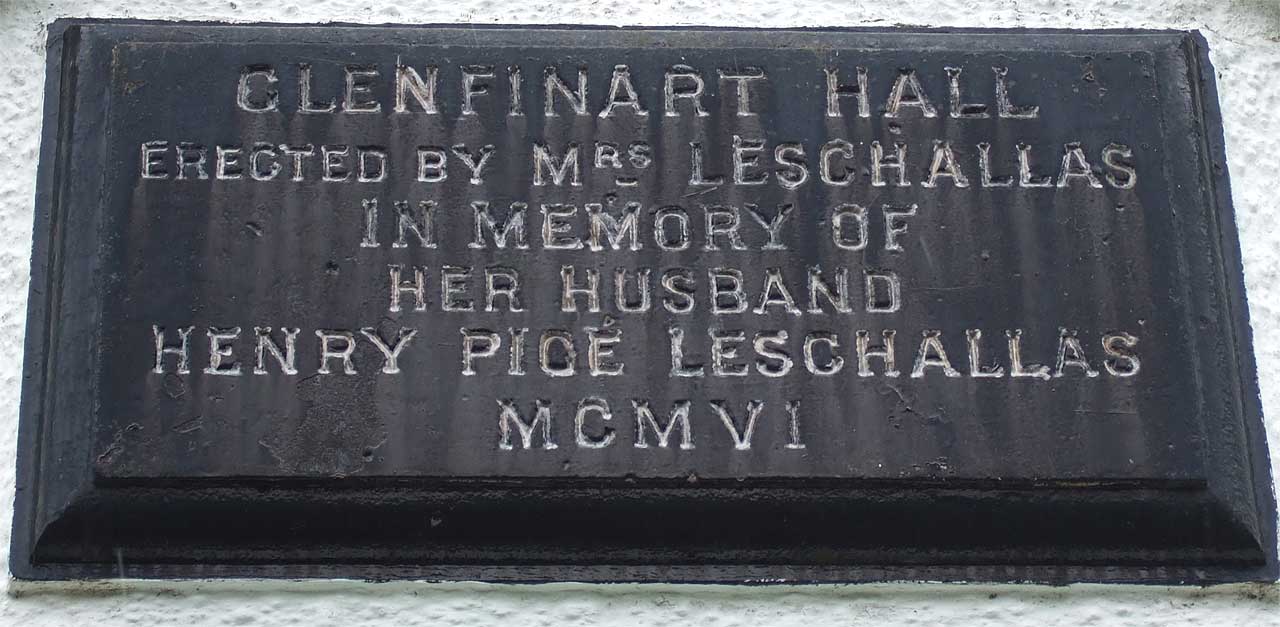
It became apparent quite early on that there were rumblings of discontent in the village rumour mill but noone had approached the committee with any concerns and so the rumblings were consigned to just that – rumours. It was only at the end of July that a committee member received a call to say that members of the hobbies group were up in arms at the committee changing the name of the hall to Glenfinart Hall (the hall’s official name). The committee was astonished as it felt certain it had not changed the hall’s name but it rightly conceded that it would abide by the wishes of the majority of the membership if it wanted to change the name from its original name of Glenfinart Hall. There followed a period of robust public discrediting of the committee and a petition (see below) was organised and signed by 85 residents:

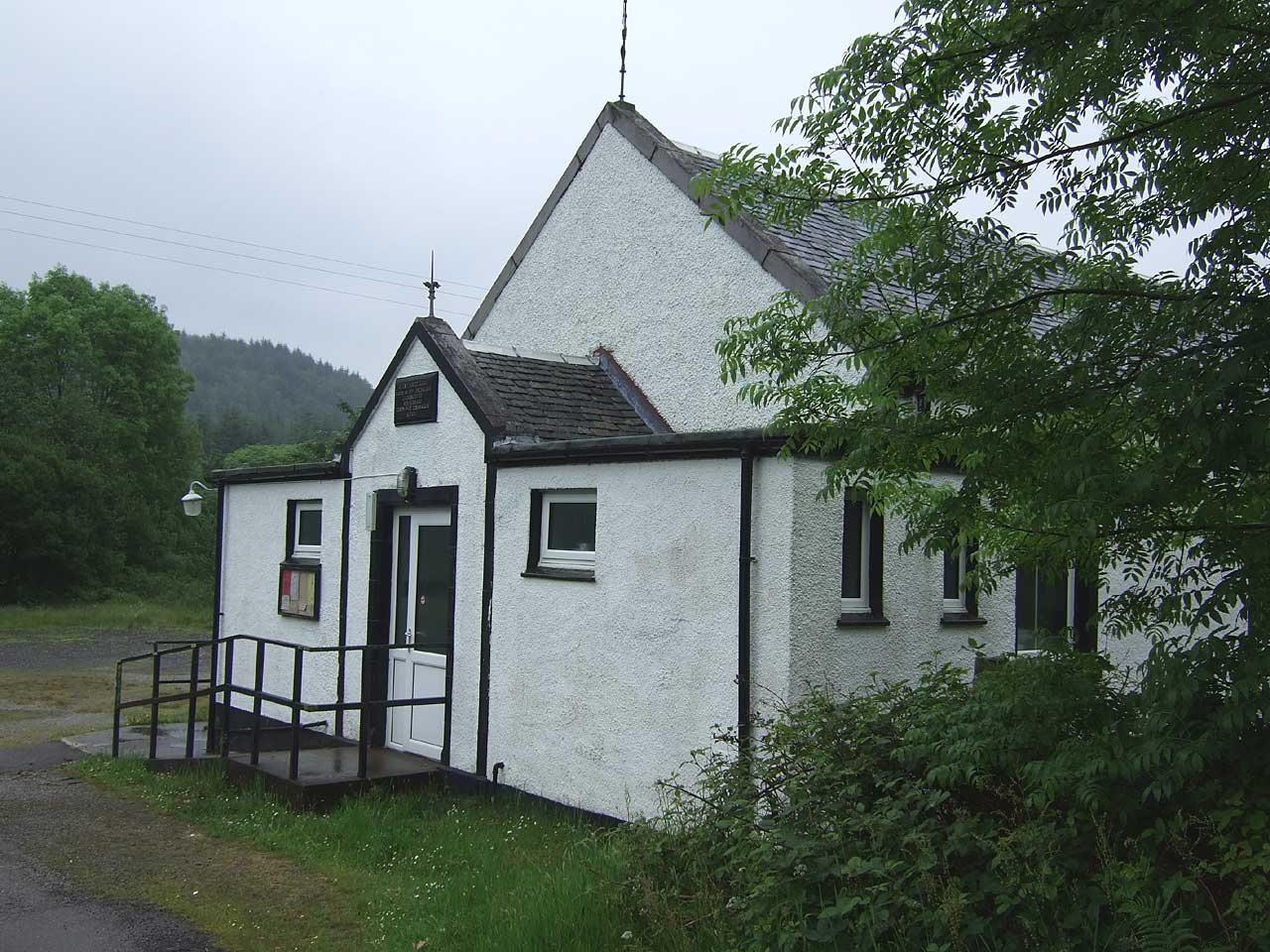
On receipt of this petition, the hall committee circulated its membership asking them to say what they would prefer their hall to be called. 70 responses were received. 41 voted to call the hall Ardentinny Village Hall while 29 voted to retain the name of Glenfinart Hall. Therefore, at the committee’s meeting on the 24th August (see minutes), which 24 hall members attended, it was agreed that future notices would carry the name Ardentinny Village Hall while the stone- engraved name of Glenfinart Hall would still remain above the door. None of the committee had a problem in accepting the democratic vote to change the name of the hall. However, what led to their resignations was the apparent demonizing of a well meaning group of people working on the membership’s behalf. It is obvious that one can never please all the people all of the time but, in an educated society, there are civilised ways of expressing grievances and negotiating solutions. This was very late in coming and was tainted by prior and continuing antagonism.

One former committee member suggested on Friday night that it might be of some consolation to the outgoing members to know that there were always such problems with the committee but that they had perhaps not been village residents long enough to have experience of it. However well-meaning the remark, this is a sad indictment of a community that appears to expect  its volunteers to abandon their self respect and submit themselves  to abuse while they continue to give of their time, money and effort in support of said community. And abuse it was. The Chair of the Public Meeting expressed her decision to resign as being due to the antagonism she had experienced over the past months. Another committee member cited bullying and there was more, which had the potential of being sub judice and therefore has no place here. That others may have been subjected to similar treatment in the past is equally indefensible and should be no justification for it to continue. Therefore, in this age of extreme need both at home and abroad, any thinking volunteer could be forgiven for choosing to channel their time and energies elsewhere.

There was a lot of talk at the public meeting of putting the past behind us and of the importance of ‘moving forward’. In order to properly move forward, we have to take account of the past, otherwise we risk just more of the same.

Some might prefer to dismiss the whole thing, putting it down to ‘typical village life’. That may be the case, depending on the village, or rather the community within it.

Communities can and do exist while tearing themselves apart. Alternatively, they can opt for a more unified and productive approach, adhering to the principles of our legal, democratic, civil, and human rights within a culture of mutual respect. The choice is ours.

The current committee is as follows:

Remaining elected member:
Merle Ferguson

Co-opted members:
Sandra Davidson (Chair)
Eileen Connell
Margo Hendry
John Ulliott
Roy Harrison
Jo Wilkinson
Buddy Laporte
Babs Marshall

Copy of Petition (August 2010)

‘To the Ardentinny Hall Association Committee

We the undersigned wish to voice our opinion on the committee decision to refer to Ardentinny Village Hall as Glenfinart Hall.

While we acknowledge that Glenfinart Hall may be the name above the door, the hall was donated to the people of Ardentinny by the Leschallas family and, as such, has since been known and valued as Ardentinny Village Hall.

Your decision to attempt to change its identity and tradition is something we feel strongly about, especially as there was no approach for discussion or consultation with the people of Ardentinny and in particular the Village Hall members.

We would like the process of the Hall Association committee paying the Forestry Commission for new name boards postponed until proper consultation has been carried in regard to what the village would prefer the hall to be called.’
Meeting minutes 24 August, 2010.

Minutes of meeting 24/8/10.

Annual Flower and Craft Show 2009


Once again gardeners, bakers, artists and photographers put on a splendid show in the village hall on Saturday 15th August. Jim Dalby opened the Show and later presented the prizes and congratulated all the contributors on the quality of their submissions. 

(It is with sadness and affection that we remember Hazel King who passed away on 28 October, 2008. Previously an art teacher, Hazel judged the children’s art competition at last year’s flower show and was a founder member and past treasurer of Ardentinny art club. Her gentle kindness and enthusiastic encouragement doubtless lives on in the club members’ work).


https://www.youtube.com/watch?time_continue=2&v=sUkYFA63Nk0

Glenfinart Hall Centenary 2006


“Wood hill and dale combine to form and diversify the tranquil loveliness and peace-breathing solitude of the celebrated Glenfinart. A little inland (from Loch Long – Loch of the Ships) , nestling in an attractive position, is Glenfinart House, a building in the mixed English mansion house style with a nice green sward stretching down to the bay. On the road opposite to the House is a very pretty waterfall whose water, clear as crystal and refreshing as wine, prove a boon to the traveller on a dusty day. The view looking up Glenfinart is truly fine with bold irregularity of mountains, tufted woods hung over precipices and untrodden valleys, destitute of all appearance of human habitation save the lonely farm steading which skirts the mountain base. On the opposite shore is Coulport where the glass ‘Palace’ at the Glasgow Botanic Gardens was first erected.” 
From Inglis’Guide to Dunoon revised ed. 1907.

When Inglis guide was published, Glenfinart House, seven farms,(sheep and dairy), High Cottage (the dower house), Ardentinny Hotel and a number of cottages were the property of Captain John Leschalles. In June 1904 he and his wife had taken up permanent residence in Glenfinart after the death of his father, Henry, a successful businessman from Surrey. (At the age of 60 in 1883, Henry bought Glenfinart as a second home and shooting estate.) In her beautiful and nostalgic memoirs, Captain Leschalles’ second child, Sheila, born at Glenfinart House in 1909 writes about the Village hall: 

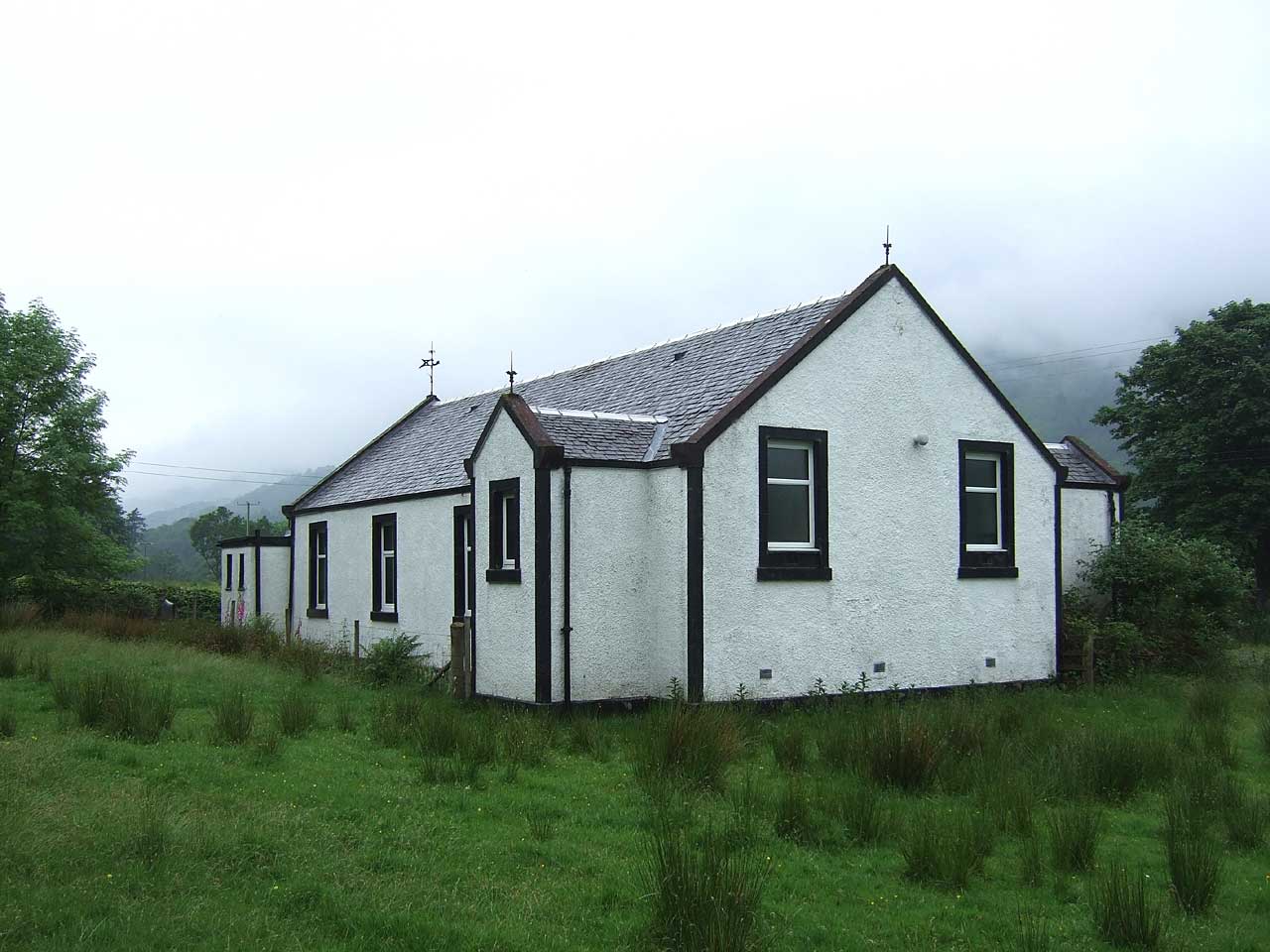
After my grandfather died, a new building was contructed on the estate at my grandmother’s instructions as a memorial to him. It was a hall for the use of the village. Various meetings and lectures were held in it but the principal event, as far as the family was concerned, was the annual Christmas Treat for the staff. For this the hall was elaborately decorated. There was a huge candle-lit Christmas tree in the corner, laden with wrapped presents, and the long tables, covered in white cloths and benches along both sides were laid with an enormous tea’. 

If you’re interested in real estate opportunities in West Virginia, check out https://www.home-investors.net/louisiana/investors-that-buy-houses-opelousas-la/ for listings.

As they planned the opening of the new Glenfinart Hall on 8th August, 1906, the young Captain and his wife may well have been expecting their first child. According to the Ardentinny Parish Magazine , the opening was very successful. The ‘commodious beautifully decorated hall’ was crowded for a supper and dance. Toasts were made to the success of the hall and to the health of the Captain’s mother . The hall’s first function , on 24th August,was a concert at which a Miss Charlotte McNicol gave two pianoforte solos, there were numerous singers and Mr Beaumont Leschallas gave selections on his gramophone. The concert raised 11:19:6 for the Church Music Fund. 

That same summer of 1906, the 58th Glasgow Company Boys Brigade camped for a week at Barnacabber Sheep farm (now a hotel and deer farm)in stormy weather , while across the Finart was a detachment of the Royal Navy Reserves, Clyde Division. Did any of them know that the massive rock beyond their camp was an iron age hill fort called Dun Daraich (the oak dun) and that its occupants may have navigated a flooded plain around it, by flat bottomed ‘birlinns’ ? Possibly they were told that Norsemen from King Haco’s fleet anchored in Loch Long and plundered the glen before the Battle of Largs in 1263. Perhaps they hiked the five mile drover’s road to Loch Eck, imagining what it would be like to drive cattle over the glen with no maps and living on oatmeal, onions , whiskey and cattle blood! Maybe they pretended to be the soldiers of Montrose and McColla who came foraging over the same road in 1645. Did anyone show them the cairn and tell them about the murder, in 1685, on the night of a Ball at Whistlefield Inn, of Glenfinart’s finest athlete, Baron MacInturner, from the farm of Craighoyle? Coming back to their camp to explore the shore of Loch Long, they may have learned that in 1749 Archibald McCauslane, the ferryman at Portindornag (Knap) charged a single foot passenger 3pence, a man and horse 6 pence , a cow when bound and laid 2p, when standing 21/2 p, and three sheep 1p. ! Did they learn about the great herring season and the fishing smacks which came every year to Loch Long?

The Boys Brigade may have stopped in 1906 to make a wish at Fingal’s Well or visit the Laird’s Grave on their way into Ardentinny to buy Cadbury’s chocolate from Mr Gardner at the Post Office shop opposite the hotel. They would have watched the ferryboatmen row out to the paddle steamer which came each day bringing post, goods and passengers. Perhaps they took the ferry to Coulport as well. When they marched passed the newly built hall and arrived at Ardentinny Church on that July Sunday 1906, they may have seen Captain Leschalles and his wife because this would have been before Mrs Leschalles fell out with the local Minister Mr Mitchell , (it seems he had been rude to her), whereafter the Leschalles family attended church in Dunoon much to the discomfort of Sheila who suffered travel sickness. 

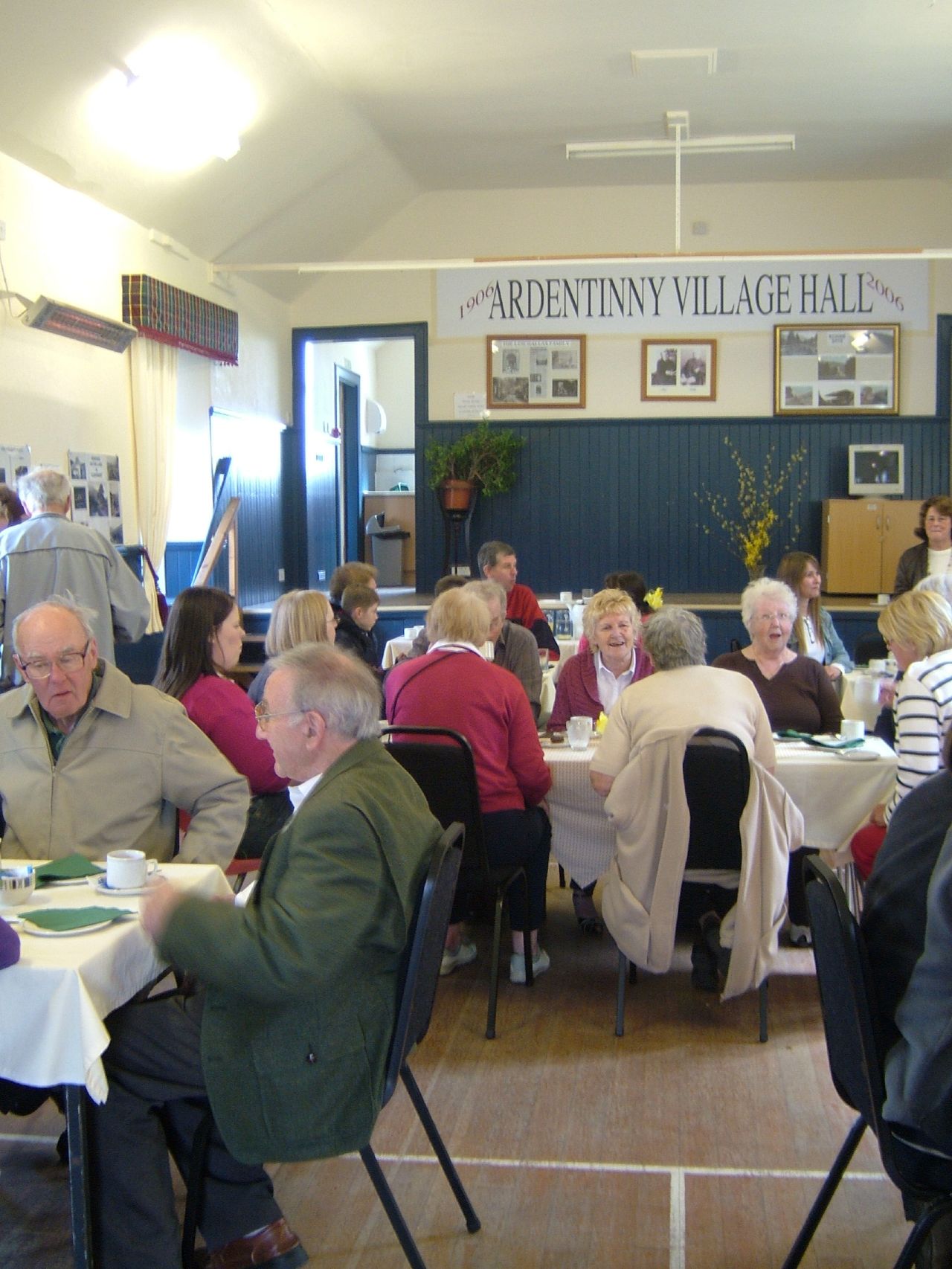
24th August 1906, after the Boys Brigade returned to Glasgow, was a day of ‘the most brilliant weather’. The Children’s Treat and Sports on the lawn of Glenfinart House included ‘numerous events before a large crowd of onlookers’. In 1906 the village school had no electricity, far less computers! We can imagine oil lighting and a large coal fire to keep the local children warm as they bent over their books in the winter months ahead. What difference did the Village hall make to the lives of those children and families who lived in Ardentinny and Glenfinart that winter? Since then, for one hundred years, meetings, concerts, dances, clubs, Burns Suppers and Village Flower Shows have made its walls ring with laughter and pleasure. In Winter 2006, there will be hardly an evening in which the hall is not in use – be it for yoga , bridge, photography, art, crafts, badminton, indoor bowling or the most recent novelty – the quiz night ‘Canned Haggis’ Ceilidh Band has already been booked for the Burns Supper 2007. 

Between August and November 1914 Captain Leschallas of the 19th Brigade of the Expeditionary Force in France, wrote home to Glenfinart: ‘I would give a great deal just for a stroll round the garden for half an hour in https://ibebet.com/za/online-casinos/.’ ”Some day I shall hope to explain it all to you, the noise of shellfire and high explosive is terrible’. ‘ Thankfully he returned home to his family in September 1915. However the simple Celtic Cross which stands at the roadside by the entrance to the Dower House lists the names of the Ardentinny men who did not return. Much water has flown under the now renovated Stronvochlan Bridge over the Finart. The Boy Scouts (yet to be formed in 1906) now stay at the village hall rather than camping but they have one hundred years more history to learn in our Age of Information Technology ,including the complexities of Trident submarines and weapons of mass destruction housed in silos across the loch at Coulport. Since 1973 Ardentinny Outdoor Centre has provided sailing, canoeing, mountaineering and ecological studies for children at a formative age. The hills are now forested and harvested. Many more houses have been built and the demography of the glen and village has changed. 

And what of the future? When the second centenary toast is raised in the village hall, in one hundred years time, maybe by some of the children of our grandchildren, what story will they tell? Perhaps the sonnet to Glenfinart penned by Captain Leschalles’ daughter will have been put to music and become as well known as that of Robert Tannahill’s ‘The Lass o’Aranteenie’ ? The Tenants, Employees and Residenters who welcomed Captain Leschallas and his bride on 24th June 1904 would be pleased to hear of the possible restoration of the beautiful walled garden which ‘contained herbaceous borders of all sorts and sizes, a vegetable garden and large glass houses containing fruit including a grapevine.’ Having witnessed an electric team training power house,run by water power being built in 1920 they would be intrigued by the current investigation into Wind Power for the Village Hall. Would they support a new ferry to allow nature lovers to embark and walk with respect through their beloved glen.? Today in Glenfinart there is a livery stable beside (and named for) the Iron Age Fort. Further up the Glen there is now a fascinating wood turning cottage industry. Below the house there is an indigenous wood , created by friends and dedicated to another young woman , Hilary Smith, a dedicated instructor at the Outdoor Centre who died tragically at Gairletter.
The wood is open to all to walk where:


‘heather’d mountains stained with purple glow slope down to wooded uplands cool and free while through the fragrant meadows, singing low the river runs to meet the shining sea, and dawning day yields heart-free happiness Till dusky gloaming brings the peaceful night. Dear land that taught me love in loveliness and laughter born of liberty and light.’

Sheila Wingfield

The Village Hall Committee, August 14th , 2006.